Rihanna's Association Programs
Environmental Programs
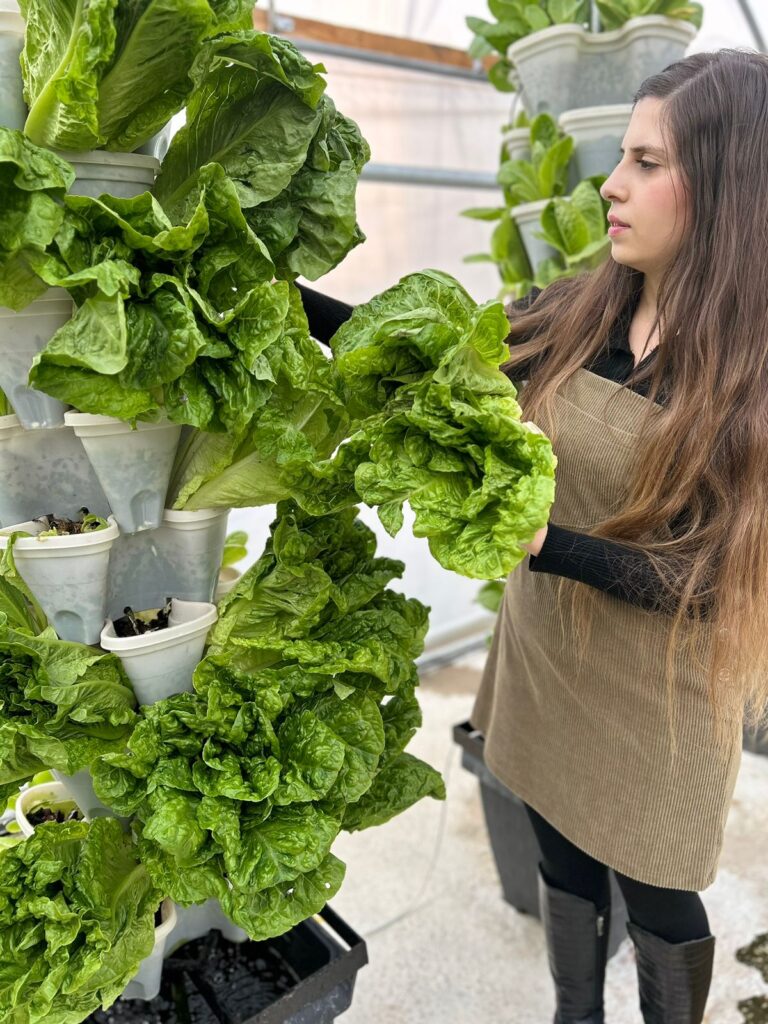
Hydroponics, Aquaponics, Agroecology, Organic Waste Recycling. Hydroponics is a technique for growing plants using a water-based nutrient solution rather than soil. Aquaponics is a collaboration between plants and fish, originating from the fusion of ‘aquaculture’ (the cultivation of fish in a controlled environment) and ‘hydroponics’ (the cultivation of plants, usually without soil).
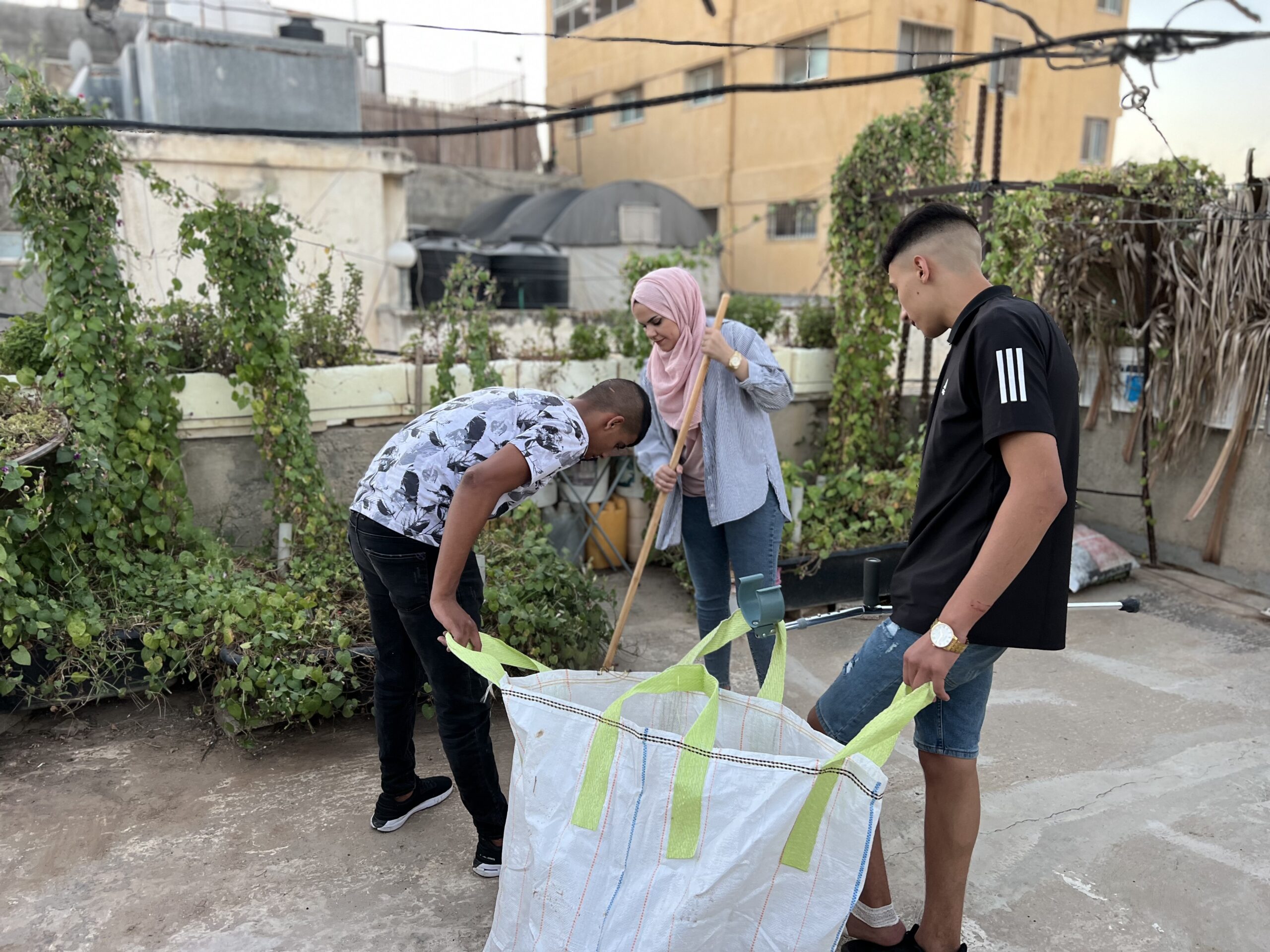
The program includes organizing training courses, both theoretical and practical, focused on the concept of hydroponics and its application. This involves using various hydroponic systems such as the bucket system, deep water system, pipe system, and tower system in Beit Jibreen camp – Al-Azzeh. The program’s central aim is to introduce hydroponics to women and youth, emphasizing its water saving benefits. Hydroponics can reduce water consumption by up to 70% compared to traditional agriculture methods. This advantage is particularly crucial given the worsening water crisis in the camps, where water is primarily reserved for essential human needs, as evidenced by studies. Implementing this form of agriculture allows for significant water conservation throughout the entire crop growth cycle. One of the key advantages of this agricultural approach is its ability to yield three times more crops compared to traditional farming methods. Additionally, the program aims to strengthen the refugees’ connection to the land and promote agriculture as a form of resistance economy, allowing refugees to exercise their right to cultivate crops independently, without dependency on the colonizer’s economy. Furthermore, this program seeks to address some of the social challenges faced by refugees within the camps. It aims to elevate youth participation in a community that has been marginalized for over 17 years, especially since there are no civil society institutions within the “Al-Azzeh Camp.” Residents of this camp endure significant political, economic, and social pressures and the program’s implementation is expected to alleviate some of the psychological stress they experience. This program also plays a role in engaging the community through creative volunteer collective efforts aimed at fostering a democratic civil society founded on an understanding of the importance of volunteer work within Palestinian communities. The program’s outcomes will also contribute to enhancing the resilience of refugees through purposeful events and activities within the camp
The Supportive Education Program for Children
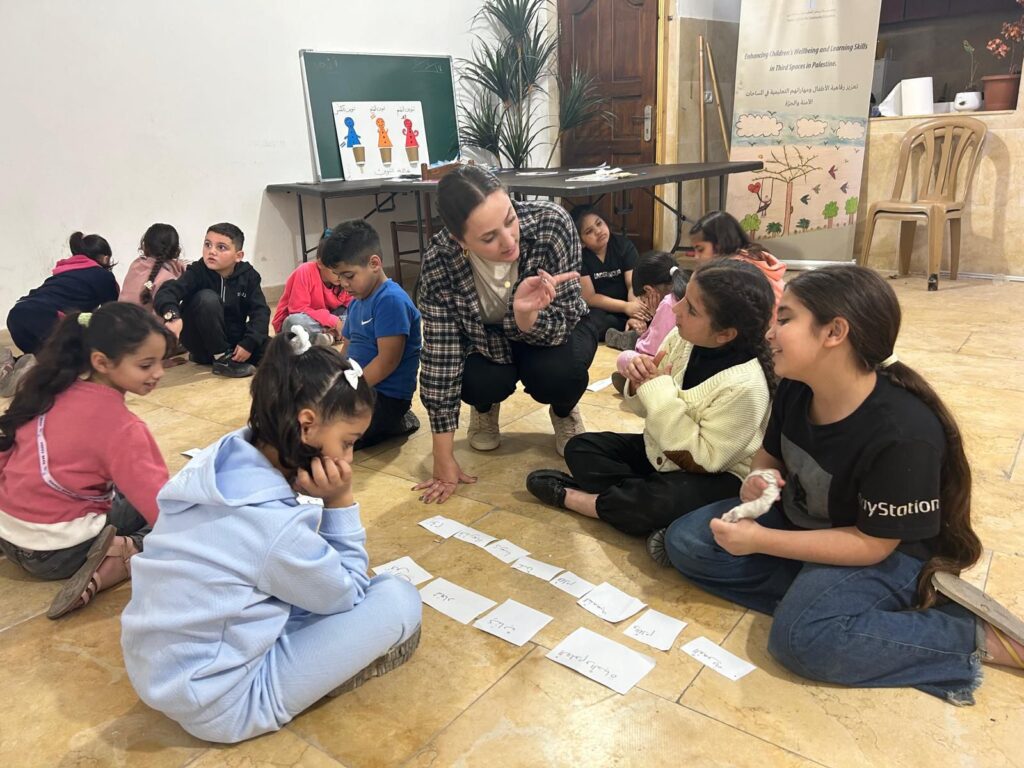
The Supportive Education Program, organized by Rihannah Association with the support of the Tamer Institute for Community Education, aims to enhance the academic and creative skills of 40 elementary school children. The program focuses on providing a comprehensive educational experience that combines core subjects such as Arabic and Mathematics with interactive artistic activities, including music, drama, and dabke.
The program is delivered by specialized teachers and facilitators, employing active learning methods that integrate play and education to encourage children’s active participation and foster their creative and social skills.
Through this initiative, the association seeks to offer a unique learning experience that contributes to building a confident and innovative generation capable of overcoming future challenges with creativity and resilience.
Ecological agriculture, also known as traditional agriculture, involves farming within the ecosystem while preserving and sustaining resources.
This program operates on rented land beyond the camp’s borders, implementing a traditional environmental agricultural approach. The primary goal is to safeguard the land from desertification, chemical pollutants, confiscation, and forced displacement associated with occupation. The adoption of this environmental agriculture program significantly supports sustainable development, benefiting farmers and their families. It promotes self-sufficiency in safe, high-quality food at various levels, from individual and family to the local and national levels.
Social programs
Agricultural Bazaa
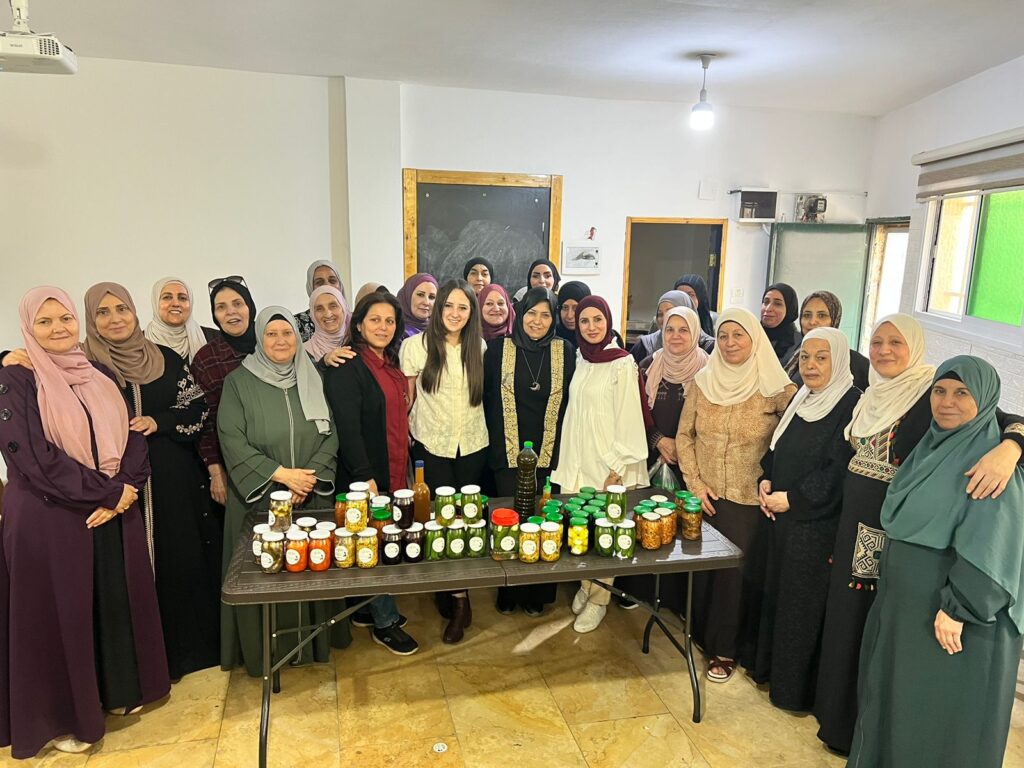
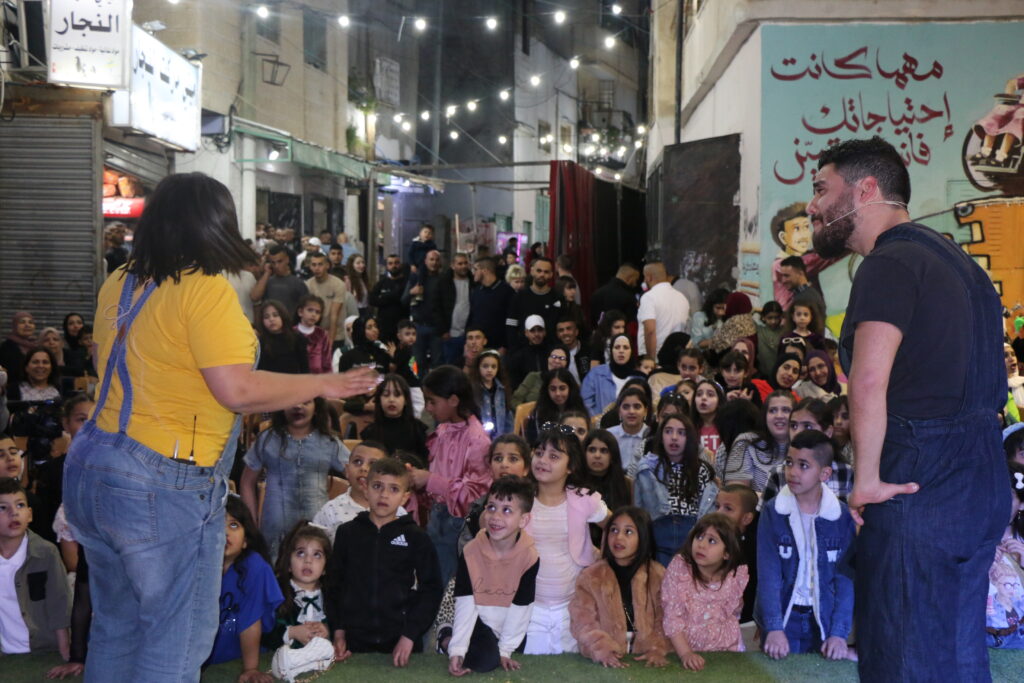
The Agricultural Bazaar is designed to benefit farmers, small business owners, and agricultural cooperatives. It features cultural events, purposeful theatrical performances, and segments for children throughout the bazaar’s duration. Youth volunteers from within the camp are actively involved in facilitating and organizing the bazaar’s activities. The local camp community is also engaged in mobilizing and organizing their resources to contribute to the success of the bazaar.
The Agricultural Bazaar serves several essential objectives. It aims to strengthen the resilience of Palestinian farmers, promote local Palestinian products—especially organic crops—and send a message encouraging the boycott of Israeli products. By doing so, it encourages small business owners to continue offering their products to the local market. Furthermore, the bazaar fosters social solidarity and support for the residents of the camp and its neighboring areas. Its timing, coinciding with the days of Eid every year, enhances the purchasing power of visitors. This, in turn, directly contributes to increased sales for participating farmers, small business owners, and female entrepreneurs. The bazaar not only provides a platform for economic activities but also creates social spaces and community bonding opportunities. It offers the residents a chance to exercise their right to social and psychological well-being, which is especially crucial considering the social, political, and economic pressures faced by the camp’s residents.
Ajroh wala Hajrouh
“Ajroh wala Hajrouh”, is an Arabic Palestinian saying that means: “donate, don’t abandon”, implementing the idea of community philanthropy among the residents of the refugee camps. As a consequence, our community understands that every Palestinian has something to give. The initiative has come as a response to some of the many problems we are facing in Aida refugee camp, which include political, economic, social and environmental issues. The goals of this initiative:
- Improving the living conditions of the Palestinian refugees.
- Implementing the community philanthropy among the residents of the camp.
- Enhancing the role that Palestinian refugee youths have in influencing their own living conditions.
- Improving the environmental conditions in the camp.
- Achieving social solidarity between families and strengthening ties between them.
Local Economy
Promoting organic crops through a network of farmers and the local community. Women will cultivate the crops in aquaculture and fish farming units, promoting them as competitive, high-quality national products in the local market